
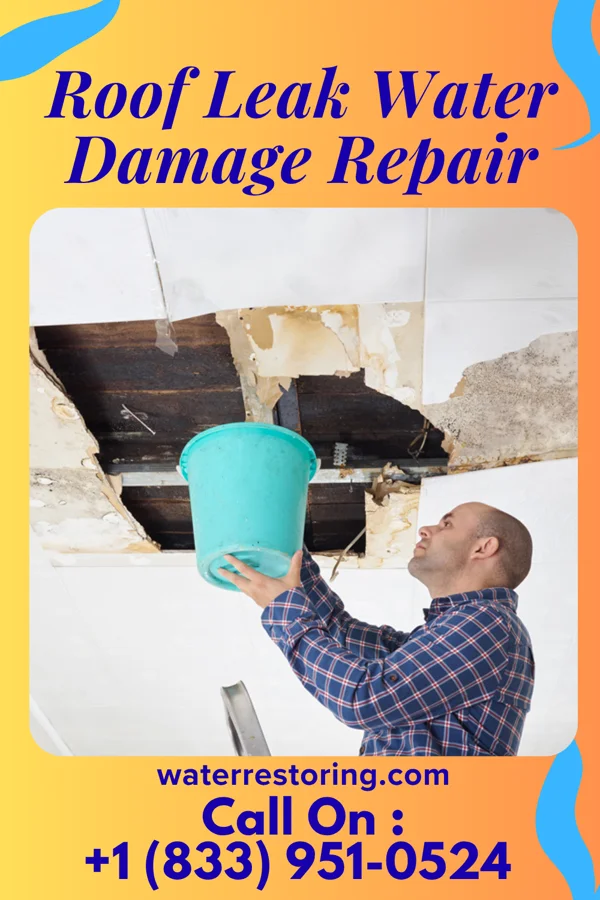
Rock Ridge Roof Leak Damage: What Owners Should Know
Residential or commercial, water damage emergencies in Rock Ridge keep coming back to the same drivers. Rock Ridge experiences frequent thunderstorms and heavy rainfall, especially during late spring and early fall, which can lead to sudden roof leaks. The region's hilly terrain can cause localized pooling of water, increasing the risk of water infiltration through roofing materials. sits at the top of the list. A close second is Winter snowmelt in Rock Ridge often results in saturated soil and increased groundwater pressure, which can compromise foundation integrity and lead to water seepage into basements and crawl spaces. Sudden temperature fluctuations also stress roofing systems, creating vulnerabilities..
The combination of heavy rainfall, snowmelt, and temperature extremes in Rock Ridge can lead to persistent moisture issues, including mold growth, wood rot, and compromised insulation. These conditions are exacerbated by the area's proximity to rural landscapes with less drainage infrastructure.
Water damage in Rock Ridge follows a few local patterns. Rock Ridge experiences frequent thunderstorms and heavy rainfall, especially during late spring and early fall, which can lead to sudden roof leaks. The region's hilly terrain can cause localized pooling of water, increasing the risk of water infiltration through roofing materials. accounts for the bulk of our calls. The combination of heavy rainfall, snowmelt, and temperature extremes in Rock Ridge can lead to persistent moisture issues, including mold growth, wood rot, and compromised insulation. These conditions are exacerbated by the area's proximity to rural landscapes with less drainage infrastructure. Mold can begin to grow within 48 hours of water exposure in Rock Ridge due to the region's high humidity and frequent rainfall. This increases the risk of secondary damage, including structural weakening and health concerns for residents.
For public guidance on the health effects of mold after prolonged water exposure, see the EPA mold and health page.